
Our Strategic Map has a fundamental North Star:
Northern New Mexico’s education system will serve those it has not equitably served before, so that they and their communities thrive.

Expanding Quality Childcare
Expanding access to high quality childcare for rural and tribal communities in Northern New Mexico by creating early learning opportunities particularly focused on underserved families.
The Challenge
Northern New Mexico communities lack sufficient childcare options which results in a lack of kindergarten readiness, lower student academic outcomes over time, lower economic mobility of families, and slower economic development.
The Data
Across seven Northern New Mexico counties:
- There are 18,984 children ages 0–5.
- 3,008 children receive Child Care Assistance
- 2,981 children(ages 3–4) are enrolled in New Mexico PreK
- 308 young children are identified as needing special education or additional family support
- This leaves an estimated 12,996 children—who do not attend school, may have limited access to early learning opportunities, and whose families do not receive child care assistance
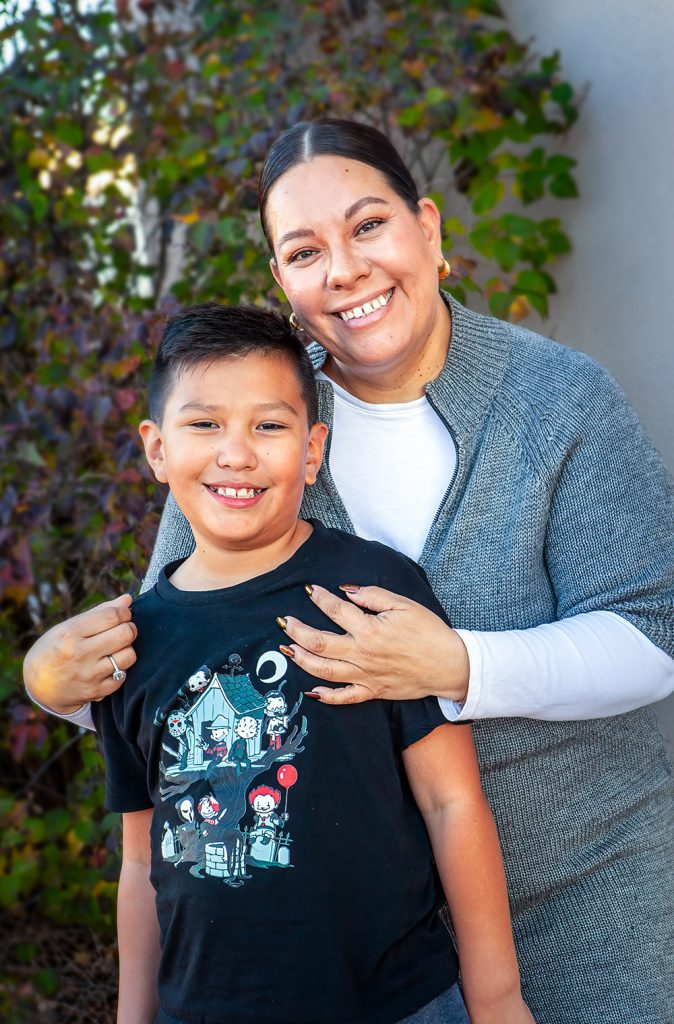
Championing Family Leadership
Investing in programming that targets families most in need of supports to stabilize child well-being and strengthen student outcomes.
The Challenge
- Families are disengaged from the education system, often struggling to find resources for basic needs, physical and behavioral health, and academic and childcare supports. Family disengagement leads to deprioritized school, child isolation, and students falling behind.
- Across our seven-county area, 5,358 grandparents are raising grandchildren.
The Data
- Within our seven county area, 29.84% of students are chronically absent -meaning they miss more than 10% of the school year.
- For a typical school year, this equates to missing 18 days -almost an entire month of learning.
- There are 20 days of learning in a month.

Elevating the Education Profession
Investing in mentorship, innovative staffing models, and policies to improve the career ladders that stimulate the profession and support early career educators.
The Challenge
Teacher attrition causes on-going disruption, deficient school culture, poor student outcomes, and a weak educator ecosystem resulting in a lack of mentor educators, an interrupted leadership pipeline, and a destabilized education system.
The Data
- The total number of teacher vacancies in New Mexico for 2025 are 604, with the highest need being special education teachers at 216 vacancies.
- Further, 2023 data revealed that 40 to 50 percent of new teachers in the state leave the profession within the first five years. And, the average years of experience for New Mexico teachers has declined below 10 years.
- On average, rural communities struggle most with educator vacancies.
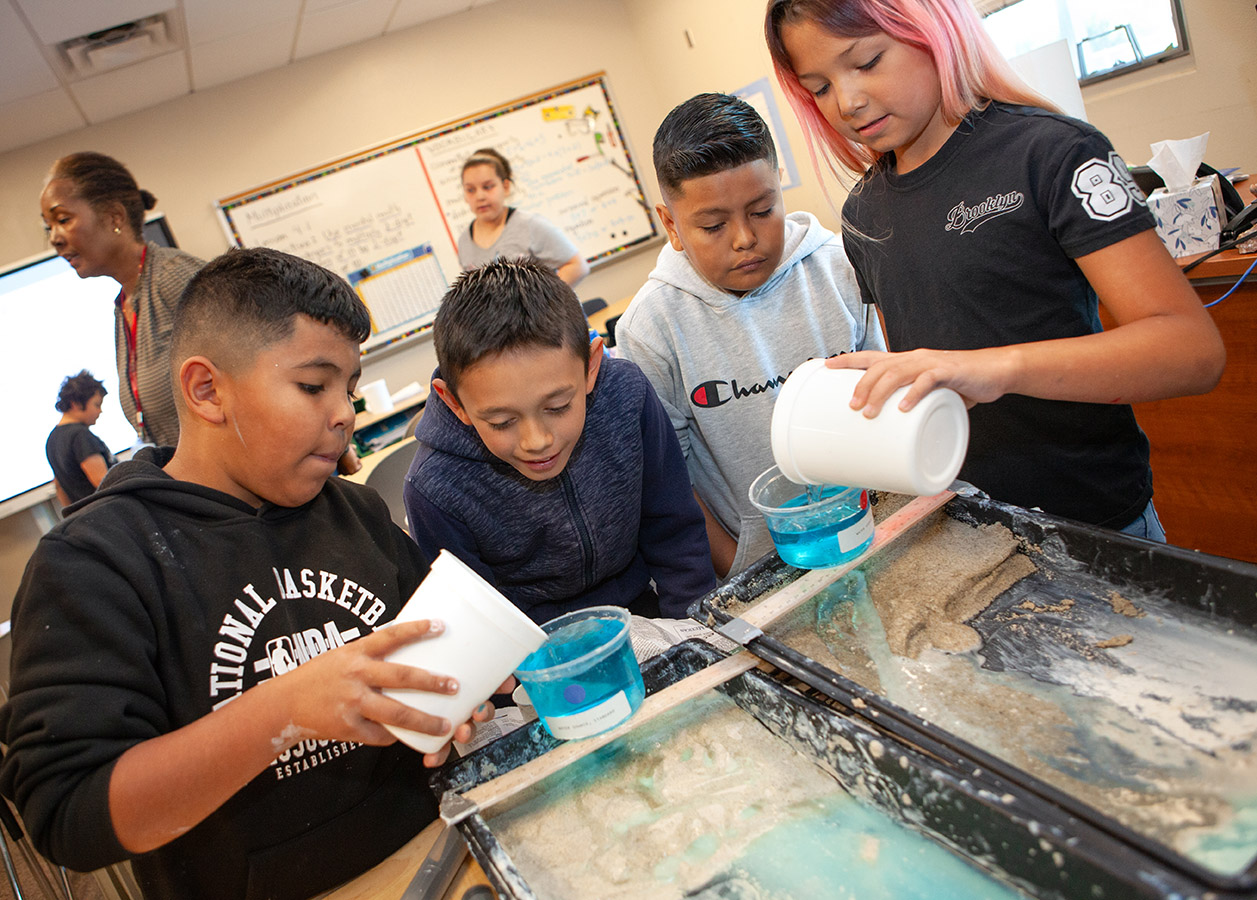
Investing in Middle School
Use our voice and influence to strengthen policies, systems, and funding in ways that will help all children, students, families, and educators to thrive, have equitable access to resources and knowledge, and become the best advocates for themselves and their communities; develop and maintain strong, trusting relationships to establish a shared vision for transformational change.
The Challenge
Middle school is a pivotal time for students as they are developing identity, building self-agency, making decisions about life pathways, and end up either feeling academically and socially prepared, or deciding to stop out of the education system.
Current middle schools are not designed to support these needs.
The Data
- Students in grades 6-8 in New Mexico have an average reading proficiency of 46.3%, an increase over the past four years of 12.3 percentage points. However, the same students demonstrated no gains in mathematics with an average of 26% proficency. An alarming trend appears for eighth grade students, declining by 2% over four years to 18% proficiency.
- Research is surprisingly consistent: the most effective middle schools are designed around early adolescents’ developmental needs, and then align structures, instruction, and relationships to those needs.
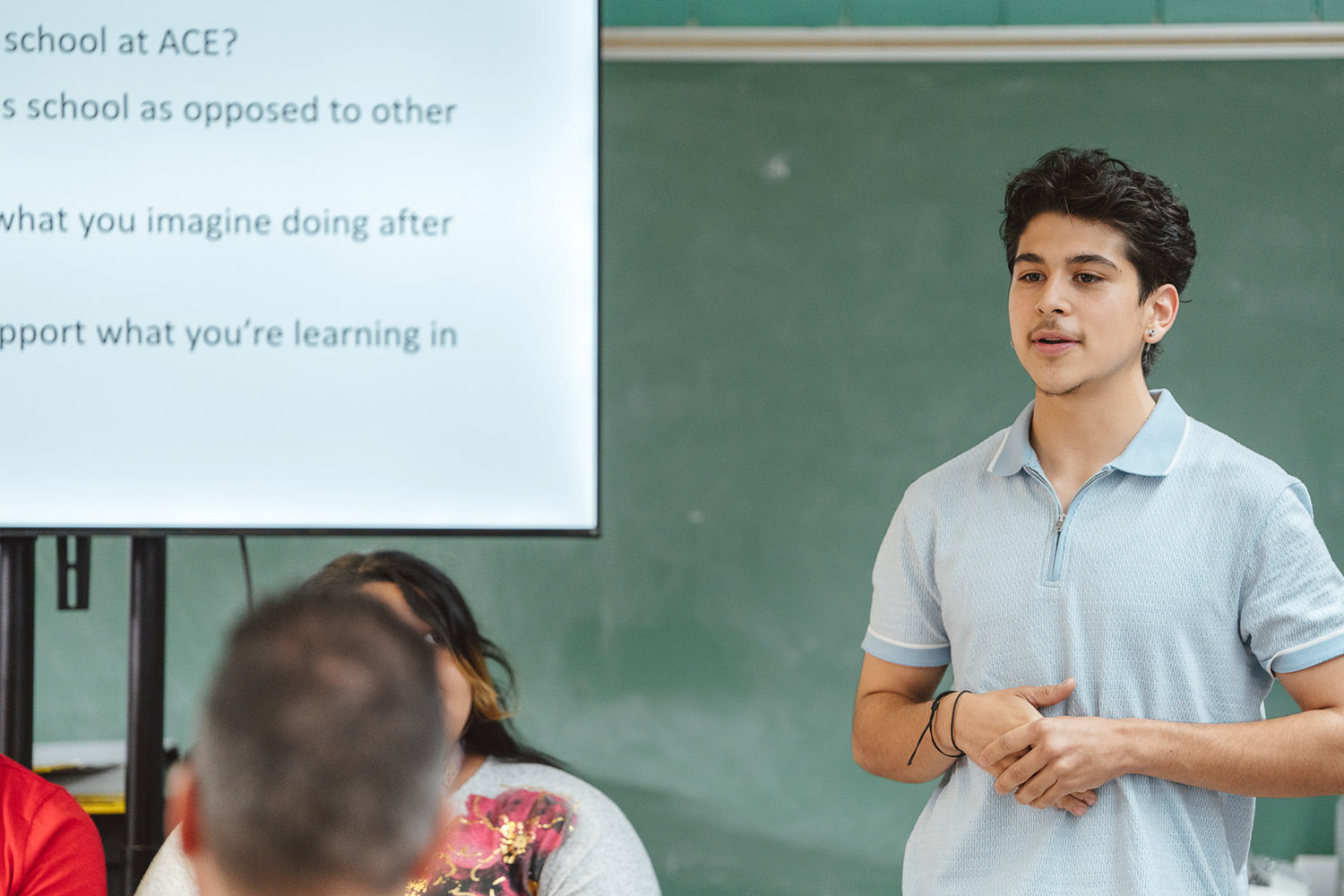
Advancing Work-Based Learning and Youth Leadership
Invest in well-designed internships, work-based learning, transition supports, and youth leadership programs specifically for underserved youth. Focus non-restricted post-secondary scholarship and mentorship programs on underserved youth at risk of disengaging from education and career opportunities.
The Challenge
A significant percentage of young people in our region do not have access to meaningful experiences during high school and in early adulthood or the opportunity to connect with adult mentors. This results in youth who are unprepared for postsecondary education and career success, increasing the likelihood that they will become disconnected and unable to thrive.
The Data
- National research reports three out of four high school graduates saying they don’t feel prepared to make decisions about their college or career paths.
- Within our area, 24.6% of youth 16 to 24 are disconnected -neither in school nor working.
- Research identified five interconnected factors that drive economic and social mobility: strong academics, career-connected learning, social capital, personal support, and civic engagement.